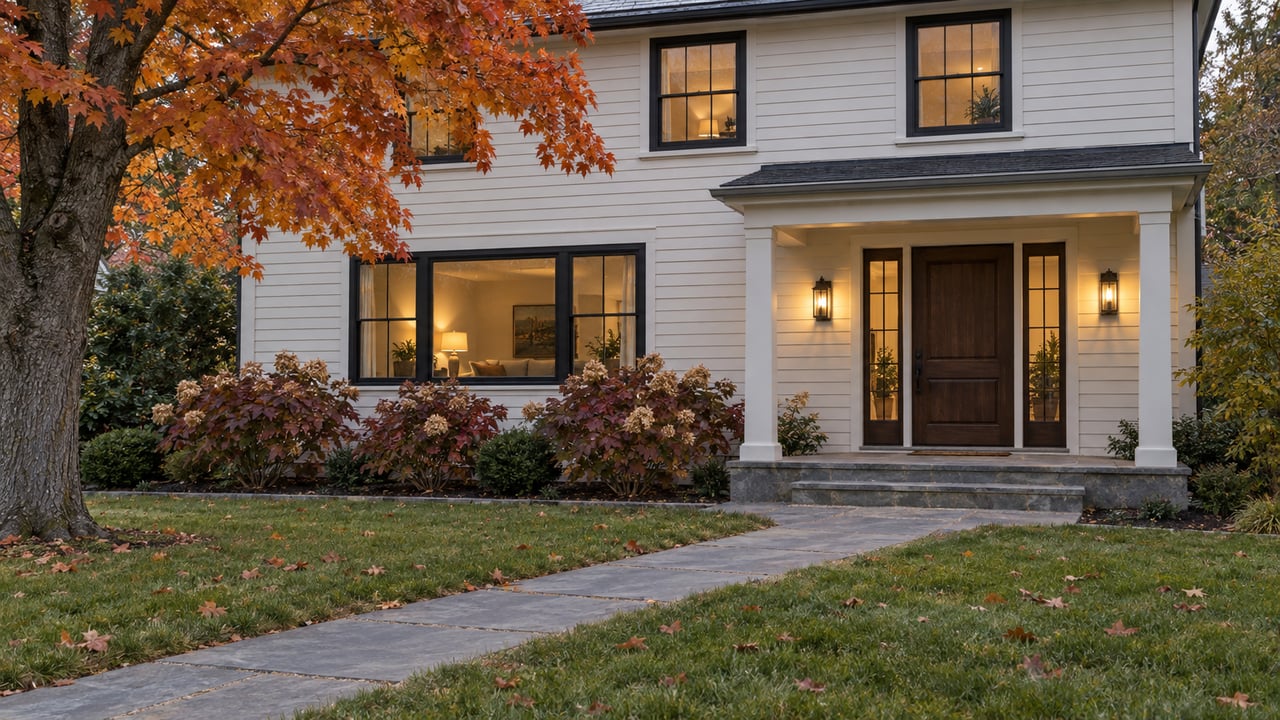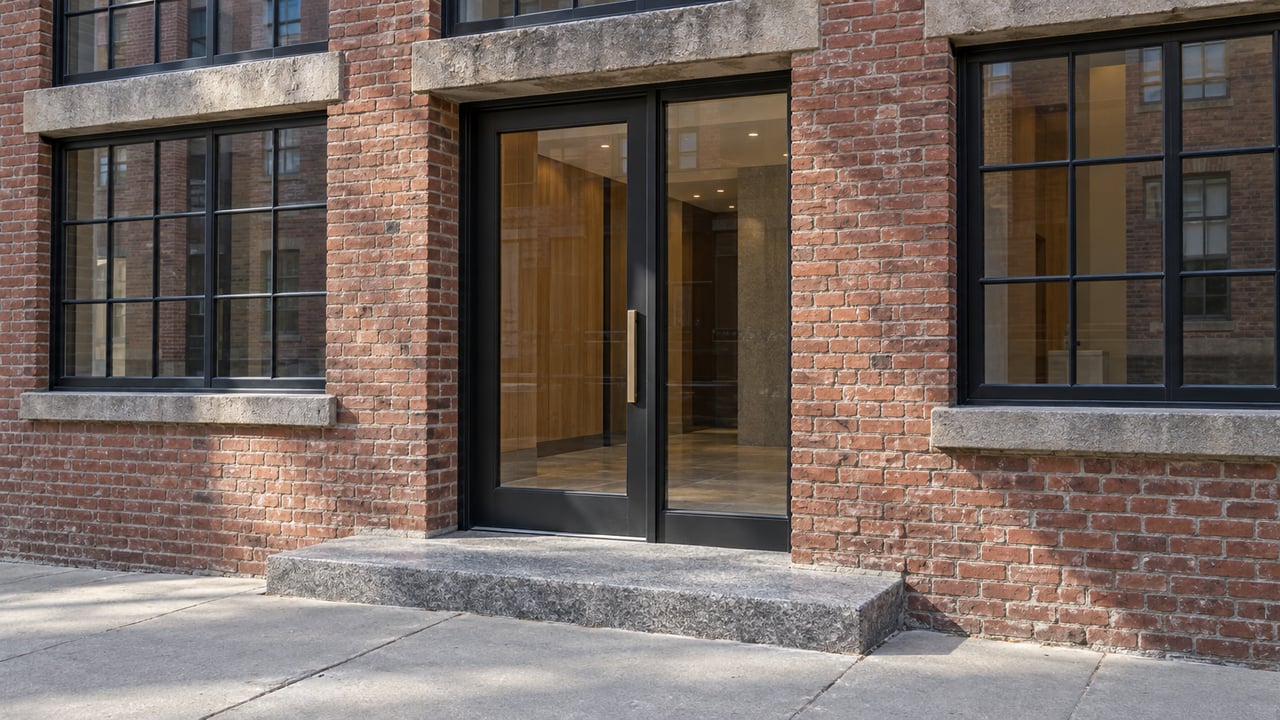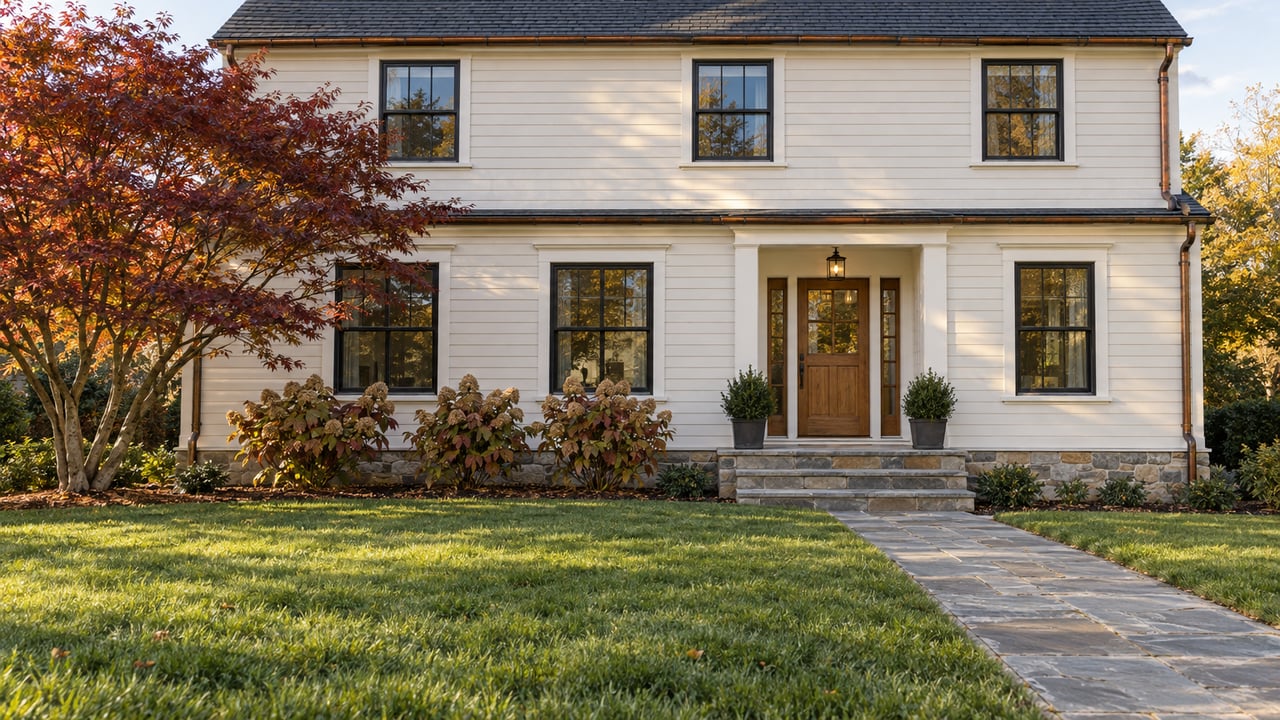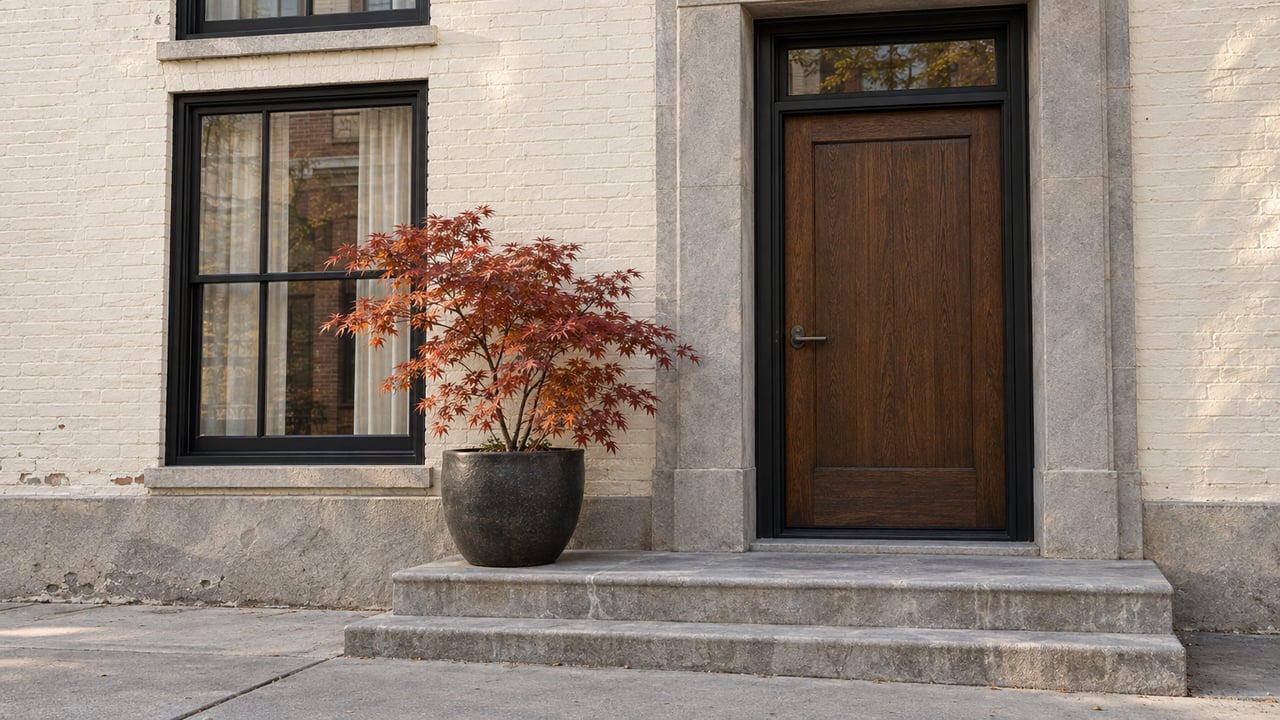
Ask that question in a Hoboken open house this fall and you will get two different answers depending on which door you walked through. The seller of a two-bedroom at Maxwell Place will tell you the mansion tax is a rounding error. The seller of a brownstone on Garden Street closing a few months later will tell you it just took a bite out of their proceeds they never budgeted for. Same tax. Same rate table. Very different exposure. The reason has less to do with the law itself and more to do with where each type of Hoboken home actually sits on the price ladder.
The tax didn't change the rate. It changed who writes the check.
Until July 10, 2025, New Jersey's so-called mansion tax was a buyer's problem: a flat 1% fee on residential sales over $1 million. That changed under state legislation signed by Governor Phil Murphy at the end of June 2025. The fee, formally the Graduated Percent Fee, now sits entirely with the seller, and it no longer stops at 1%. It climbs in tiers as the sale price climbs, applied to the full purchase price rather than just the amount above each threshold.
| Sale price | Rate | Tax on a sale at the top of that band |
|---|---|---|
| $1,000,000 to $2,000,000 | 1% | $20,000 |
| $2,000,000.01 to $2,500,000 | 2% | $50,000 |
| $2,500,000.01 to $3,000,000 | 2.5% | $75,000 |
| $3,000,000.01 to $3,500,000 | 3% | $105,000 |
| Above $3,500,000 | 3.5% | scales with price |
The part that trips people up is the "full price" detail. As Matus Law Group explains, a home that sells for $2,100,000 doesn't pay 1% on the first $2 million and 2% on the remaining $100,000. It pays 2% on the entire $2.1 million, a $42,000 bill instead of the $22,000 a buyer might assume from reading the tiers casually. Cross a threshold by a dollar and the seller's tax bill can jump sharply. That single mechanic is why the tax now behaves less like a flat fee and more like a cliff.
NJ REALTORS explains that a grace period let sellers under contract before July 10, 2025 apply for a refund if their deed recorded by November 15, 2025. That window has effectively run its course. Every Hoboken listing on the market today operates under the new rules with no transition cushion left.
Why the cliff lands on brownstones more often than condos
Here is where property type starts to matter. Per GSMLS data for June 2026, the median Hoboken condo sale price was $1.1 million, up 22.2% year over year, with homes averaging 14 days on market and selling at 101.9% of list. That median sits comfortably inside the 1% tier. A typical condo resale, the kind that trades hands in a mid-rise near Washington Street or a walkup a few blocks off the PATH, doesn't come close to the $2 million mark where the tax rate doubles.
Brownstones and single-family homes tell a different story. Single-family stock in Hoboken is rare enough that when it does trade, it trades in the $2 million-plus range. Waterfront towers like Hudson Tea, Maxwell Place, 1450 Washington, and Constitution Court can push penthouse and large-unit pricing past $3 million on their own, but the brownstone belt along streets like Bloomfield and Garden carries a different kind of exposure. These are the properties buyers move up into once they've outgrown a two-bedroom condo, and the sellers of those homes are disproportionately the ones now staring at the 2%, 2.5%, or 3% tier instead of the base 1%.
Put plainly, the law applies the same rate schedule to every Hoboken seller, but the population of sellers who actually cross into the higher tiers skews heavily toward brownstone and single-family transactions, not the typical condo resale. A tax that reads as neutral on paper lands unevenly once you look at where each housing type actually prices.
What this does to negotiating room near a threshold
For a buyer, this creates leverage that didn't exist before July 2025. A seller sitting at $1,980,000 may weigh the higher tax against the $30,000 increase in sale price before accepting $2,010,000, because crossing $2 million doubles the tax rate on the entire transaction. A buyer who understands the tier structure can use an offer parked just below a threshold as a point of leverage, while recognizing that the lower sale price also affects the seller's net proceeds.
This matters more in brownstone negotiations than condo ones simply because brownstone pricing clusters near those thresholds more often. A waterfront condo buyer negotiating around $1.3 million isn't anywhere near a cliff. A brownstone buyer negotiating around $2.4 million is standing right next to one.
The friction doesn't stop at the closing statement
The tax is the newest wrinkle, but it isn't the only place brownstones and condos diverge on cost and process in Hoboken, and the other differences compound the same asymmetry.
Condo buyers are increasingly scrutinizing HOA fees against what they actually get for them. Buildings with high monthly dues and dated common areas are seeing more pushback than they did a year ago, giving condo buyers a second point of leverage beyond price. Brownstone buyers don't have an HOA to negotiate against, but they inherit something condo owners don't: direct exposure to the building envelope. Insurance reflects that split cleanly. Condo owners typically carry an HO-6 policy that covers the interior of their unit while the building's master policy handles the exterior and common areas. Brownstone owners carry HO-3 or HO-5 policies that insure the entire structure themselves, with no association absorbing part of that risk. Anyone buying in a FEMA-designated flood zone, waterfront or inland, should confirm elevation certificates and flood insurance costs before writing an offer rather than after.
Brownstone owners in Hoboken's locally designated historic districts face one more layer that condo owners in newer towers simply don't. Under the city's historic preservation ordinance, exterior alterations, window replacements, and facade work within a historic district require review and approval from the Hoboken Historic Preservation Commission before a construction permit is issued. That review adds time to any pre-listing improvement plan on a brownstone that a condo seller, whose exterior belongs to the association rather than the unit owner, never has to think about.
What this means if you're comparing the two paths right now
If you're weighing a waterfront condo against a brownstone in Hoboken this fall, the sale price on the listing sheet is only part of the comparison. The seller's net proceeds, and therefore their room to negotiate, now depend heavily on which side of the mansion tax tiers their home falls on. A condo seller at $1.1 million is working with a 1% tax and a market that's still moving in 14 days at over full ask, according to the June 2026 GSMLS figures. A brownstone seller pricing near $2.2 million or $2.6 million is working with a materially larger deduction off the top, one that didn't exist before July 2025, and one that shapes how firm they'll be on price near a tier line.
For buyers, understanding which tier a listing sits in, and how close it is to the next one, is now part of reading a Hoboken listing correctly. For sellers, especially those preparing a brownstone for market, running the actual net sheet under current law before setting a list price is no longer optional homework. It's the first calculation, not the last.
FAQ
Does the mansion tax rate depend on whether a home is a condo, brownstone, or single-family house? No. The rate is set entirely by sale price, not property type. The reason brownstones and single-family homes face it more often is that they trade at higher price points in Hoboken, not because the law treats them differently.
Is the mansion tax still a flat 1% if I'm under contract now? Only if your contract was fully executed before July 10, 2025 and your deed recorded by November 15, 2025. That grace period has effectively closed for new transactions. Any sale entering the market today follows the current tiered, seller-paid structure.
Can a buyer and seller agree that the buyer will still pay the tax? The law places legal responsibility on the seller, but the New Jersey Division of Taxation says the parties can apportion or shift the payment in their contract negotiations. That's a conversation for your attorney, not a default assumption.
Reading a Hoboken listing well now means reading the tax tier alongside the price. If you're weighing a brownstone against a waterfront condo and want a second set of eyes on what a specific address actually nets at closing, The Arrived Team works these numbers with buyers and sellers across Hoboken every week. Work With Us.
This article is general information, not legal, tax or financial advice. Consult a qualified professional about your situation.