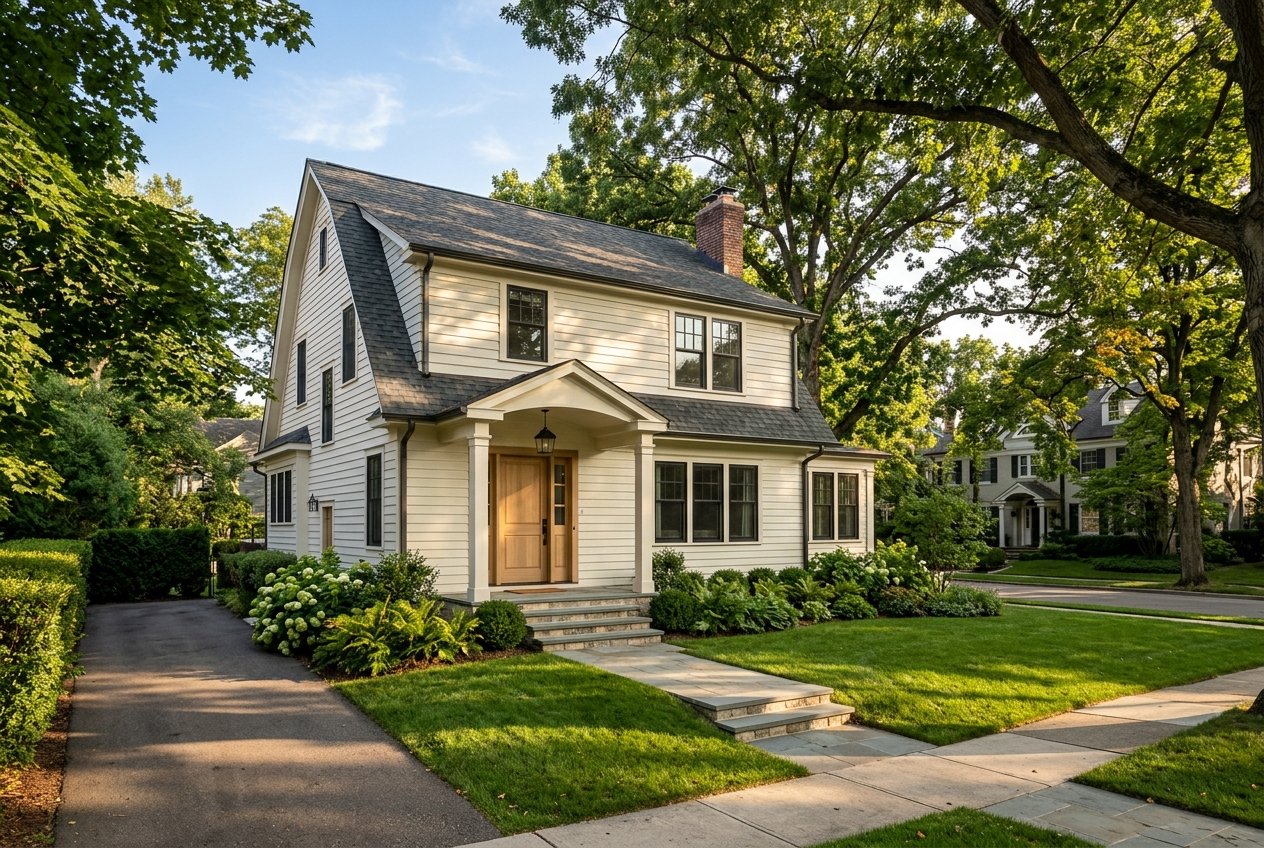
If you want a New Jersey town that can support a Manhattan commute without giving up neighborhood variety, Montclair tends to stay high on the list. What makes it stand out is not just its access to New York, but how different daily life can feel from one part of town to another. If you are weighing a move, this guide will help you understand Montclair’s neighborhood pockets, transit tradeoffs, housing patterns, and lifestyle rhythms so you can choose with more confidence. Let’s dive in.
Why Montclair draws NYC commuters
Montclair sits about 12 miles west of Midtown Manhattan at the foot of the First Watchung Mountain. Township materials describe it as a model country town with convenient access to the city, and it also serves as a commercial and cultural hub for North Jersey.
That combination matters when you are choosing where to live. Montclair is not a one-note commuter town. It has six business and shopping districts, six rail stations in town, and about 175 acres of municipal parks, so your experience can shift quite a bit depending on where you land.
What the commute really looks like
For many buyers, the commute is the first filter. Montclair is on the NJ Transit Montclair-Boonton Line, and the current weekday timetable shows service through Bay Street, Walnut Street, Watchung Avenue, Upper Montclair, Mountain Avenue, and Montclair Heights, with trains running toward New York and Hoboken.
Some weekday trips require a change at Newark Broad Street, so it is smart to look beyond the simple phrase “NYC access” and review your likely trip pattern. If you commute several days a week, a neighborhood’s relationship to a station can shape your morning routine as much as the home itself.
Weekend planning also deserves a closer look. Township transit materials say a late-2025 survey described weekend trains between Bay Street and New York Penn every two hours, and the same survey noted no weekend or off-peak weekday bus service from Montclair to New York City at that time.
Bus service does exist in town, including NJ Transit service via Montclair Heights toward New York and several local routes running mostly along Bloomfield Avenue. Still, for day-to-day Manhattan planning, rail is generally the more dependable option based on the township and NJ Transit materials.
How Montclair neighborhoods feel different
One of Montclair’s biggest strengths is that it gives you more than one version of commuter living. Some areas feel like classic station villages, some are more centered on shopping and culture, and others lean more residential with larger lots and quieter street patterns.
That means your best fit depends on how you define convenience. You might want to walk to coffee and the train, prioritize a bigger house and yard, or look for an in-town setting with easier access to restaurants, parks, and errands.
Upper Montclair: station village charm
Upper Montclair is one of the clearest examples of a station-centered neighborhood. The business district includes Tudor-style shops and restaurants, a local cinema, direct access to Anderson Park, and a connection to Upper Montclair Station for service to New York Penn Station.
The surrounding housing stock was mainly built between 1900 and 1929. Township survey materials describe many two- to three-story single-family homes with large front porches, medium lots, and wide streets, with styles that include Queen Anne, Craftsman, and Colonial Revival.
If you picture a classic neighborhood feel with established homes and a walkable district, this pocket often matches that vision. It can appeal to buyers who want a more traditional streetscape while keeping rail access close to daily life.
Watchung Plaza: compact and pedestrian-friendly
Watchung Plaza developed as an early-20th-century shopping center around the rail station. Township descriptions highlight shops, restaurants, a well-known independent bookstore, and a coffeehouse, while local historic inventory materials note one- and two-story Tudor Revival commercial buildings and park space flanking the station.
The result is a compact area with a strong pedestrian scale. If your ideal routine includes grabbing coffee, running a quick errand, and heading to the train without a lot of extra driving, Watchung Plaza offers a clear station-area identity.
Downtown Montclair: energy and amenities
Montclair Center is the township’s largest business district. It includes the art museum, the Wellmont Theater, a cinema, and hundreds of shops and cafés, giving it the most active commercial feel in town.
Historic materials describe the Town Center Historic District as Montclair’s largest commercial district, with one- to three-story buildings dating from the 1840s through the 1960s. If you want to be near culture, dining, and a busier street scene, central Montclair offers the most layered mix of activity.
This area can be a strong fit if you want your neighborhood to feel lively and amenity-rich. For some buyers, that energy is a major plus. For others, it helps to decide how much activity you want just outside your door.
Pine Street: a different in-town texture
Pine Street adds another layer to Montclair’s core. Local historic-district materials describe it as an intact working-class neighborhood with single-family and multi-family dwellings plus small-scale commercial properties, mostly in two- to three-story buildings.
Architectural styles in the area include Renaissance Revival, Italianate, Classical Revival, and Bungalow-Craftsman. For buyers comparing in-town options, Pine Street reflects a denser and more mixed housing pattern than some of Montclair’s more house-centered pockets.
Walnut-Grove and Frog Hollow: balanced convenience
Walnut-Grove and Frog Hollow often feel like the middle ground between the downtown core and quieter residential edges. The township describes Walnut-Grove as a district of galleries, artisan bakeries, restaurants, and a Saturday farmers’ market at the Walnut Street station lot.
Frog Hollow is framed as a place to grab lunch along Valley Road and then head to Edgemont Park. If you want walkability and neighborhood businesses but prefer a slightly less intense setting than downtown, these areas are worth a closer look.
South End: denser in-town housing patterns
Historic township materials describe the South End as a housing center for Montclair’s late-19th-century immigrant community and former mill workers. Survey work on Montclair’s immigrant and African-American neighborhoods notes that these areas commonly included two- and three-family residences and low-rise walk-up apartments.
That helps explain the denser, more modest in-town housing pattern in this part of Montclair. If you are exploring a wider range of property types and want to understand why one area feels more compact than another, the South End is an important part of that story.
Southwest estate area: space and setback
The southwest estate area offers a very different physical layout. Township survey materials say it was developed by wealthier residents between the late 19th and early 20th centuries and is characterized by one- to three-story single-family houses on large lots set far back from the street.
Common styles include Queen Anne, Shingle, Tudor Revival, and Colonial Revival. For buyers who want more visual separation between homes, deeper setbacks, and a more expansive residential feel, this area presents a distinct side of Montclair.
Parks shape everyday life
Montclair’s park system is a major part of the lifestyle equation. The township says the town has about 175 acres of parks, and Essex County adds major open space at the edges of town.
Brookdale Park is the largest local example on the township’s list at 42.74 acres, with exercise trails, running tracks, athletic fields, a playground, and concerts. Anderson Park offers athletic fields and footpaths, while Edgemont Park includes a pond, playground, footpaths, and ice skating.
Mountainside Park adds nature trails, tennis, a pool, and Iris Gardens. Eagle Rock Reservation, a 408-acre county park, adds trails and scenic observation, which can be especially appealing if you want quick access to larger open space.
A helpful way to think about location is how certain neighborhood pockets connect to these green spaces. Upper Montclair aligns naturally with Anderson Park and Brookdale Park, central Montclair connects easily to Crane and Edgemont, and the southwest side has the strongest relationship to Mountainside Park and Eagle Rock Reservation.
Choosing the right Montclair fit
The best Montclair neighborhood for you depends on what you want to optimize. If you care most about station access and a village feel, Upper Montclair and Watchung Plaza may rise to the top. If you want cultural amenities and the busiest commercial core, Downtown Montclair may feel like the strongest match.
If you want a middle-ground setting with everyday walkability, Walnut-Grove and Frog Hollow deserve attention. If housing type, lot size, or street pattern matters most, comparing the South End, Pine Street, and the southwest estate area can help clarify what feels right.
In practice, this is where a strategic home search matters. Two homes may both have a Montclair address, but the way they support your commute, weekend routine, and long-term lifestyle can be very different.
Whether you are relocating, moving from the city, or simply trying to narrow your options in Essex County, a neighborhood-by-neighborhood strategy can save time and help you make a more confident decision. If you want expert guidance on finding the right fit in Montclair and across Northern New Jersey, connect with The Arrived Team Compass.
FAQs
What makes Montclair appealing for NYC commuters?
- Montclair offers six rail stations in town, direct service toward New York and Hoboken on the Montclair-Boonton Line, multiple business districts, and a range of neighborhood types that support different commute and lifestyle priorities.
Which Montclair neighborhood feels most like a station village?
- Upper Montclair is one of the clearest station-village pockets, with a Tudor-style business district, nearby park access, and housing patterns centered around early-20th-century single-family homes.
What is the most active commercial area in Montclair?
- Montclair Center is the township’s largest business district and includes major cultural and retail destinations such as the art museum, Wellmont Theater, cinema, shops, and cafés.
Are all Montclair train trips direct to New York City?
- No. The current weekday timetable shows that some trips require a change at Newark Broad Street, so it is important to check the specific station and schedule you expect to use.
How does weekend transit from Montclair to NYC compare to weekdays?
- Township transit materials say a late-2025 survey described weekend train service between Bay Street and New York Penn every two hours, which suggests weekend planning may require more flexibility than a weekday commute.
Which Montclair areas offer more lot size and setback?
- The southwest estate area is known for single-family homes on large lots set farther back from the street, with several late-19th- and early-20th-century architectural styles represented.
Which Montclair neighborhoods offer a more walkable middle-ground lifestyle?
- Walnut-Grove and Frog Hollow often serve that role, with local restaurants, neighborhood businesses, the Walnut Street farmers’ market area, and access to nearby park space.
How important are parks to the Montclair lifestyle?
- Parks are a major part of daily life in Montclair, with about 175 acres of municipal parks plus access to larger county open space such as Eagle Rock Reservation.