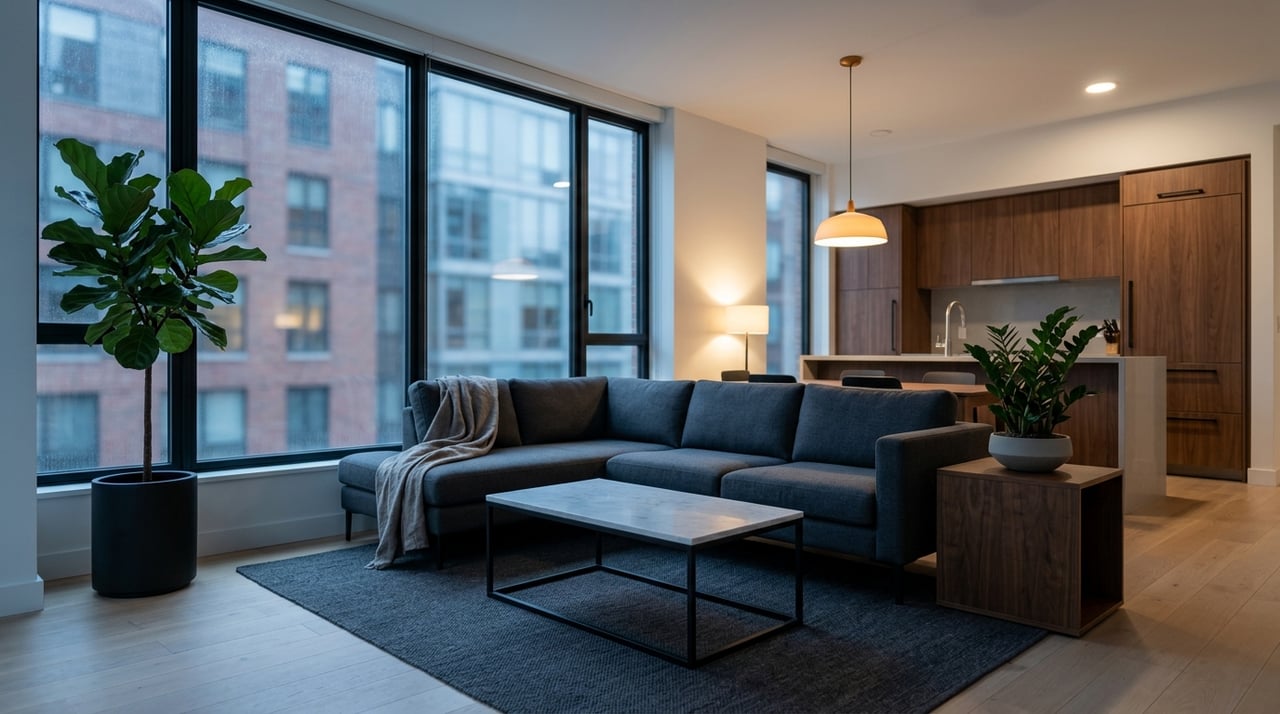
If you want a city lifestyle without giving up convenience, Downtown Newark deserves a closer look. This part of Newark offers direct regional transit, major arts venues, parks, and a growing mix of housing, all in one dense urban core. It also has an active, evolving feel that is different from a quieter residential neighborhood. If you are wondering what daily life here actually feels like, this guide will walk you through it. Let’s dive in.
Downtown Newark Feels Urban and Connected
Living in Downtown Newark means living in the middle of a true mixed-use city center. Newark describes downtown as a major industrial, commercial, and cultural hub, and that comes through in the pace, layout, and energy of the area.
You are not moving into a single-purpose residential enclave. Instead, you are choosing a neighborhood shaped by office buildings, apartment communities, transit hubs, arts institutions, restaurants, parks, and nearby colleges. That mix gives downtown a lived-in, active rhythm throughout the day.
The broader downtown ecosystem also includes Rutgers-Newark, NJIT, and Essex County College nearby. That academic presence adds students, faculty, and campus activity to the area’s everyday flow.
Housing in Downtown Newark
If you are considering a move here, the housing stock is one of the first things you will notice. Downtown Newark is defined largely by apartments, including mixed-use buildings, loft-style conversions, and adaptive reuse projects.
You will find a blend of older and newer properties in the neighborhood. Existing inventory highlighted by the Newark Downtown District includes places such as Hahne & Co, Teachers Village, Walker House, One Theater Square, 50 Rector Park, Newark Urby, Clinton Street Lofts, and Richardson Lofts.
That variety creates a different feel from areas dominated by one housing type. Some buildings lean more historic and industrial in character, while others reflect newer construction and a more contemporary apartment experience.
Development Is Part of Daily Life
Downtown Newark is still growing, and that matters when you think about what it feels like to live here. The neighborhood has clear momentum, but it also has an active work-in-progress quality because new projects and streetscape improvements continue to shape the area.
Recent multifamily development updates from the Newark Downtown District show completed projects such as Newark Urby, Indigo Residence, and ICONIQ 777, along with planned projects including Museum Parc, The Portnow, The Newark Summit Tower, Halo phases, and Vibe.
The City of Newark says Museum Parc, approved in 2024, is set to add 250 apartments along with retail, dining, outdoor amenities, and additional gallery space. The city also says the NJPAC campus redevelopment is planned to add 350 residential units, plus restaurants, stores, public spaces, and cultural venues.
For you as a buyer or renter, that means Downtown Newark is not static. It is a place where the residential base is growing alongside cultural and commercial investment.
Getting Around Is a Major Advantage
One of the strongest reasons people choose Downtown Newark is transportation. If you value access and flexibility, this is one of the area’s biggest lifestyle benefits.
Newark Penn Station is the main transit anchor. NJ Transit lists Northeast Corridor, North Jersey Coast, and Raritan Valley Line service there, along with Amtrak, PATH, and Newark Light Rail.
Newark Broad Street Station is another important hub. It offers Morris & Essex and Montclair-Boonton service, giving you another layer of regional access.
A Car-Light Lifestyle Is Realistic
For many residents, Downtown Newark supports a car-light lifestyle. That is because so many daily destinations cluster around the main stations, including residential buildings, office space, parks, dining, and entertainment.
NJ Transit notes that Prudential Center is about a 10-minute walk from Newark Penn Station. NJPAC and Military Park are both about a 5-minute walk away. That kind of layout can make day-to-day movement simpler if you prefer walking and transit over driving.
PATH also provides direct service from Newark to the World Trade Center. For commuters headed into Manhattan, that connection is a practical part of downtown life.
Airport Access Adds Convenience
Another everyday advantage is access to Newark Liberty International Airport. NJ Transit notes that the airport connects through its rail station and AirTrain system, with direct train service, AirTrain transfers, and bus connections from Newark.
If you travel often for work or personal reasons, that regional connectivity can make a real difference. Few urban neighborhoods balance local walkability and airport access this smoothly.
Arts and Culture Shape the Neighborhood
Downtown Newark stands out because its energy does not come from one source alone. Culture is woven into the area through performance spaces, museums, public art, and outdoor gathering places.
NJPAC is one of the neighborhood’s anchors. It describes itself as Newark’s anchor cultural institution, and the City of Newark says its larger redevelopment will expand the campus with housing, restaurants, retail, public spaces, and cultural venues.
The Newark Museum of Art is another major asset. It is New Jersey’s largest fine art museum, with more than 300,000 artworks and artifacts across a 3.1-acre campus.
Newark Symphony Hall also plays an important role in the city’s cultural life. The City of Newark describes it as New Jersey’s largest Black-led arts and entertainment venue, and it is currently undergoing a $75 million renovation.
Public Art Is Part of the Streetscape
In Downtown Newark, art is not limited to indoor venues. The city says Newark Grounds forms a walkable cultural corridor with more than 75 consecutive public artworks.
The city also says it commissioned or restored 25 murals between 2022 and 2024. The Newark Downtown District adds that Gateways to Newark: Portraits stretches more than 1.34 miles and is seen by nearly 1.1 million commuters and residents each month.
That means your everyday walk can include more than storefronts and office towers. The public realm itself contributes to the neighborhood’s character.
Parks Add Balance to City Living
Even in a dense downtown setting, green space and public gathering areas matter. Downtown Newark includes several parks that help break up the built environment and create space for events, movement, and relaxation.
Newark City Parks Foundation manages Harriet Tubman Square, Lincoln Park, Military Park, Mulberry Commons, and Riverfront Park. According to the city, the foundation produces more than 200 annual programs across arts, wellness, water activities, and environmental education.
That park network adds another dimension to daily life. You are not relying only on indoor destinations. You also have public spaces that support casual walks, community programming, and time outside.
Dining and Daily Errands Are Close By
Downtown Newark offers more than headline attractions. It also supports day-to-day living with practical businesses and a broad mix of food options.
The downtown directory currently lists 20 groceries, markets, and convenience businesses, along with 9 coffee businesses, 10 delis, 13 pizza and Italian spots, 16 Asian businesses, 5 pubs and nightspots, and 4 fine-dining listings.
That variety helps make downtown feel usable, not just visitable. Whether you need a quick coffee, a casual meal, or basic errands close to home, the neighborhood has an established street-level mix.
The Ironbound Expands Your Options
Living downtown also places you near one of the region’s best-known dining areas. NJ Transit highlights the nearby Ironbound for its Portuguese, Brazilian, and Spanish restaurants, bakeries, and markets.
From Newark Penn Station, the Ferry Street exit gives direct access toward that area. So even if you live in the center of downtown, your dining range extends beyond the immediate core.
What Daily Life Really Feels Like
The best way to describe life in Downtown Newark is this: it feels active, practical, and evolving. You are in a transit-rich city center where business activity, cultural institutions, residential growth, and public space all overlap.
This is likely a strong fit if you want walkability, regional rail access, airport convenience, and a steady flow of things to do. It can appeal to renters, buyers, students, and commuters who prefer an urban environment over a quieter, more residential setting.
It is also worth understanding that downtown is still changing. Development activity, streetscape work, and routine city maintenance are part of the experience, and the City of Newark’s cleanliness schedule notes street sweeping in the Downtown District on Fridays.
The upside is that you are buying into momentum. Downtown Newark offers a mix of historic character, new residential development, major cultural anchors, and everyday convenience that continues to expand.
If you are weighing a move to Downtown Newark, local insight matters. Whether you are exploring a rental, a condo, or an investment opportunity, working with a team that understands how timing, building type, and location affect your options can make the process much clearer. Connect with The Arrived Team Compass for strategic guidance on Newark and the broader North Jersey market.
FAQs
What is Downtown Newark like for daily living?
- Downtown Newark feels like a dense, mixed-use urban core with apartments, offices, parks, arts venues, restaurants, and major transit all close together.
Is Downtown Newark a good place for commuters?
- Downtown Newark is highly commuter-friendly because Newark Penn Station and Newark Broad Street Station connect to NJ Transit lines, PATH, Amtrak, and Light Rail service.
What kinds of homes are common in Downtown Newark?
- Downtown Newark housing is mostly made up of apartments in mixed-use buildings, loft-style conversions, adaptive reuse properties, and newer residential towers.
Can you live in Downtown Newark without a car?
- Many residents can manage a car-light lifestyle because key destinations like transit, parks, dining, and entertainment are clustered around the downtown stations.
What are some major attractions near Downtown Newark?
- Major downtown attractions include NJPAC, the Newark Museum of Art, Newark Symphony Hall, Military Park, Mulberry Commons, and nearby access to the Ironbound dining district.