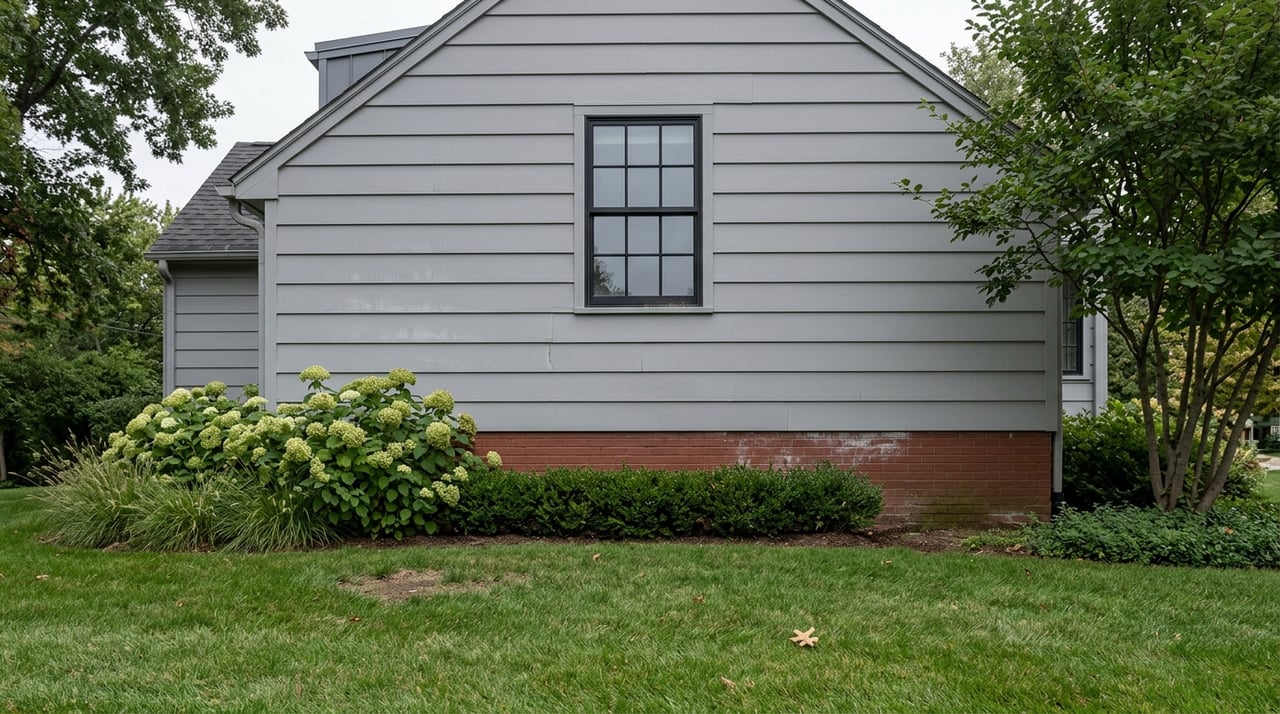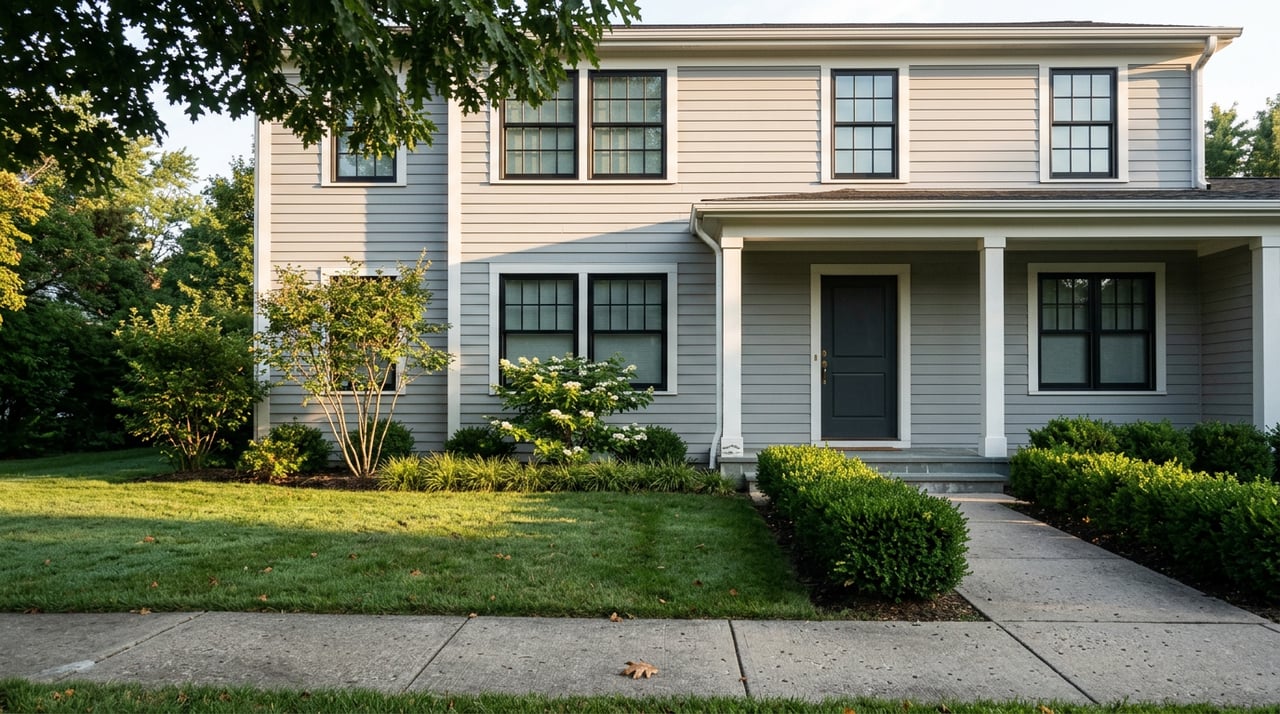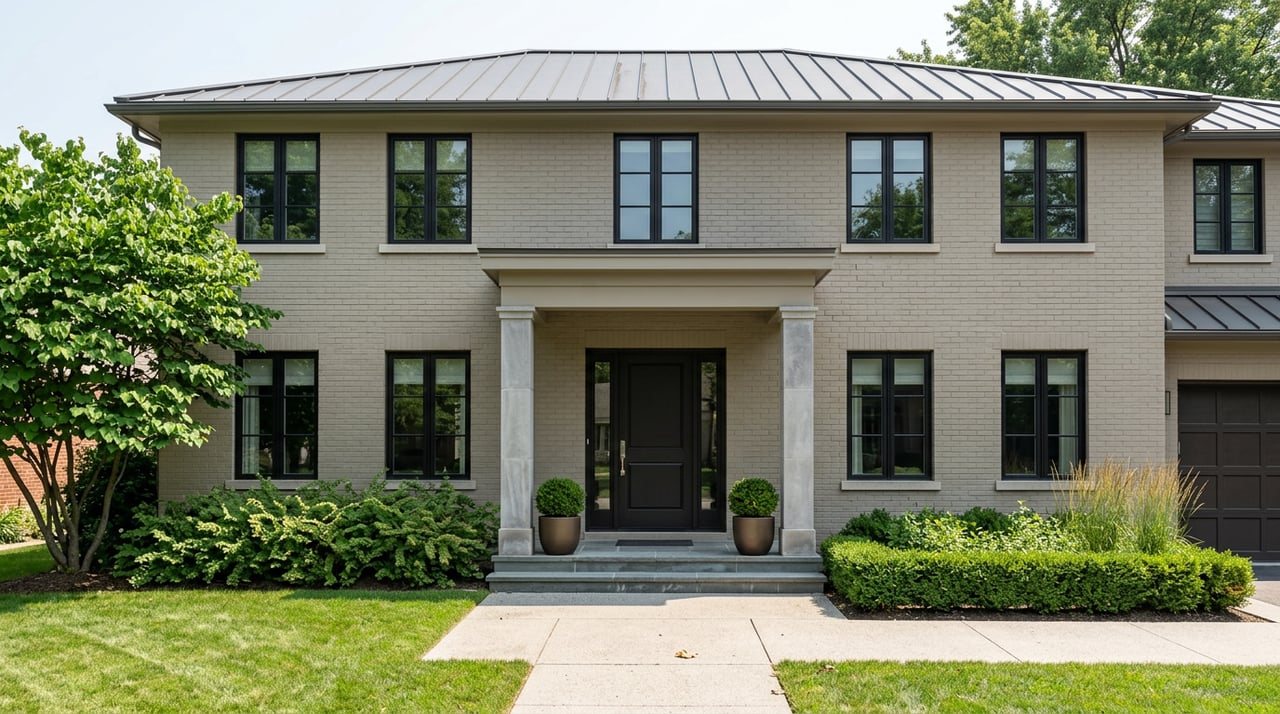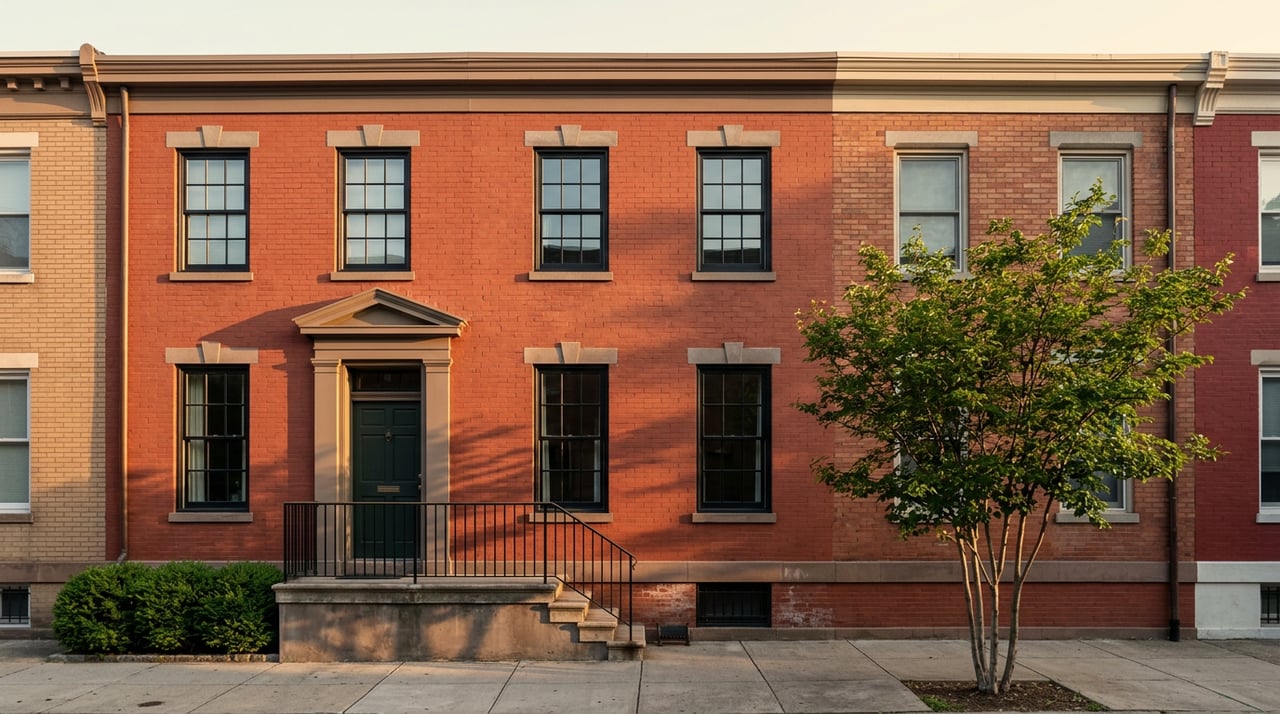
A buyer under contract on a two-family this spring on Newark's north side did what any careful investor does before closing: pulled up the state's lead-safe certification rules, confirmed the seller had a valid certificate, and assumed the compliance question was closed. Then the second-floor tenant gave notice. Under New Jersey's statewide law, a valid certificate should have carried the property through that vacancy without triggering a new inspection. Under the city of Newark's own housing code, it doesn't work that way. The unit had to be recertified anyway, because in Newark, a vacancy resets the clock regardless of what the certificate says.
That gap between what the state promises and what the city actually requires is the detail that catches Newark's two- and three-family buyers off guard, and it surfaces at the worst possible moment: after the ink is dry.
What the State Law Actually Promises
New Jersey's lead-safe certification law, P.L. 2021, c.182, took effect on July 22, 2022, and applies to pre-1978 single-family, two-family, and multiple rental dwellings statewide. The mechanics are straightforward on paper. Covered units need a lead-based paint inspection every three years, or at tenant turnover, whichever comes first, unless the owner already holds a valid certificate. That certificate is good for two years. Owners who had it in hand by the July 2024 deadline could reasonably assume they'd bought themselves breathing room between inspections, including through a change of tenant.
The law also carved out an exemption that matters for larger buildings: multiple dwellings registered with the state Department of Community Affairs for at least ten years, with no outstanding paint violations, don't need the periodic inspection at all. For an investor evaluating an older Newark multifamily property with a long registration history, that exemption can look like a clean way to skip a line item entirely.
Both of those provisions are accurate. Neither one tells the whole story inside Newark city limits.
Newark Never Agreed to Let the State Loosen Its Rule
Newark's own housing code, under Chapter 16:3 Article 7, has required lead inspections on rental dwellings since 2002, with amendments in 2007, 2014, and 2016, nearly two decades before the state passed its own version. The city's ordinance places the inspection burden on the owner and requires that, upon each occasion the dwelling unit becomes vacant, the owner recertify the unit as lead safe before it's reoccupied. Owners must also file every inspection report and certificate, along with the inspector's name and license number, with Newark's Department of Engineering and Department of Health and Community Wellness, which maintain a citywide rental registry.
Nothing in the public ordinance text suggests that requirement was repealed or folded into the state's newer three-year cycle. The two rules exist side by side: a state law that lets a valid certificate ride through a turnover, and a Newark ordinance that treats every vacancy as its own event. For a buyer closing on a two-family in the Ironbound or a three-family near Branch Brook Park, the practical result is that Newark's floor is higher than the statewide summary suggests, and it doesn't move just because a seller hands over a certificate that's technically still valid under state law.
The same logic likely applies to the ten-year DCA registration exemption. That carve-out lives in state regulation. Newark's ordinance, as published, doesn't reference it. A buyer evaluating a larger, long-registered building should confirm directly with Newark's Department of Engineering and Department of Health and Community Wellness whether that state exemption also satisfies the city's own filing and recertification requirement, rather than assuming one clears the other.
| State Law (P.L. 2021, c.182) | Newark Ordinance (Ch. 16:3 Art. 7) | |
|---|---|---|
| Trigger for reinspection | Every 3 years, or tenant turnover if no valid certificate | Every vacancy, regardless of certificate status |
| Certificate validity | 2 years | Not specified as a shield against recertification |
| Filing requirement | Municipality maintains records | Owner must file with city Engineering and Health departments |
| Large-building exemption | 10-year DCA registration with clean paint history | No exemption referenced in published ordinance text |
The Disclosure Timing Nobody Updated Their Habits For
Layered on top of the lead question is a separate, more recent change to how New Jersey handles seller disclosure generally. The Real Estate Consumer Protection Enhancement Act, effective August 1, 2024, made a fully completed Property Condition Disclosure Statement mandatory for every residential seller in the state, including estates and private sellers. The document has to reach the buyer before the buyer becomes contractually obligated. It can't be handed over during the three-day attorney review period that most New Jersey buyers are used to treating as the safety net for paperwork gaps, and it can't wait until closing.
For multi-unit properties, the requirement gets more specific: sellers must disclose separately for each unit. A buyer under contract on a Newark triplex should be looking for three completed disclosure statements delivered before signing, not one blanket form that arrives with the rest of the closing package. A missing or incomplete per-unit disclosure isn't a technicality an attorney can quietly fix in review. It's a gap that should have been closed before the buyer ever signed.
What This Looks Like on an Actual Newark Deal
The scale of a transaction doesn't exempt it from any of this. In April 2026, ICON Real Estate Advisors announced the sale of 469 Elizabeth Avenue in Newark's Weequahic neighborhood, a 58-unit, six-story elevator building constructed in 1920, for $7.5 million. The firm represented both sides, seller Newark 469 Elizabeth LLC and buyer Dove Management, in a deal handled by managing partners David Jarvis and David Oropeza. The property sits along Weequahic Lake with access to NJ Transit, downtown Newark, and Newark Liberty International Airport.
A building of that age and unit count is squarely inside the pre-1978 category the state law targets, and it's exactly the kind of long-held, DCA-registered building where the ten-year exemption question becomes real money, not a hypothetical. Whether that exemption applied, and whether it satisfied Newark's own filing requirement in addition to the state's, is precisely the kind of due diligence item that belongs in an offer's contingency period, not a post-closing surprise. The same math scales down to a two-family on Seventh Avenue as easily as it scales up to a 58-unit building on Elizabeth Avenue.
The Two Numbers That Don't Agree
Newark's citywide median sale price over the three months ending May 2026 came in at $590,000, down 3.3% from the same period a year earlier, with homes selling in an average of 64 days. That figure blends single-family homes with condos and skews toward Newark's higher-priced pockets. It is not the number a two- or three-family buyer should be underwriting against.
As of July 2026, Newark's multi-family homes carried a median price of $416,000, with an average sale price of $428,918 and roughly 50 days on market. That's the more relevant benchmark for anyone evaluating a two- or three-family purchase, and the gap between the two figures matters beyond bragging rights. Lead compliance costs, whether it's a visual inspection, a dust wipe, or full abatement, land as a larger share of a $416,000 purchase than they would against a $590,000 single-family sale. Buyers who anchor their underwriting to the citywide median are quietly underbudgeting the compliance line item on the exact property type where it carries the most weight.
Owners facing a real remediation bill on qualifying Newark properties have a resource worth knowing about before assuming the cost falls entirely on them: the city's Lead Hazard Grant program, funded through HUD and the state DCA, covers remediation for income-eligible households and properties where a young child or pregnant resident is present.
Before You Sign a Contract on a Newark Multi-Family
- Ask for the certificate's full history, not just its current status, and confirm whether any unit has turned over since the last inspection.
- Confirm with Newark's Department of Engineering or Department of Health and Community Wellness whether the property's state-level exemption, if any, also satisfies the city's own filing requirement.
- For any multi-unit property, verify a separate, completed Property Condition Disclosure Statement exists for each unit, delivered before you signed the contract.
- Budget lead compliance costs against the two- or three-family median, not the citywide blended figure.
- If the building qualifies by income or occupant profile, check eligibility for the city's Lead Hazard Grant before assuming remediation is an out-of-pocket cost.
FAQ
If my Newark seller has a valid two-year lead-safe certificate, am I covered through the next tenant turnover? Under state law, generally yes. Under Newark's own ordinance, a vacancy can still trigger a new recertification requirement regardless of the certificate's remaining validity. Confirm directly with the city before assuming the state certificate is the final word.
Does the ten-year DCA registration exemption mean my building skips Newark's own reporting requirements too? Not necessarily. That exemption exists under state regulation. Newark's published ordinance doesn't reference it, so a building's state-level exemption may not automatically satisfy the city's separate filing and inspection expectations.
Do I need a separate disclosure statement for every unit in a Newark two- or three-family? Yes. Since August 2024, New Jersey's disclosure law requires multi-unit sellers to disclose separately for each unit, and that disclosure needs to reach you before you're contractually obligated to buy.
Newark's two- and three-family market rewards buyers who read past the headline law and into the local code sitting underneath it. If you're evaluating a multi-family purchase in Newark, or anywhere else across Essex, Hudson, or the counties we cover, The Arrived Team Compass can walk the compliance timeline with you before you're under contract, not after.